
2026 U.S. Passport Renewal Delays & Processing Bottlenecks: Regional Agency Guide
⚡ Quick Answer: Why Are Passport Renewals Delayed in 2026?
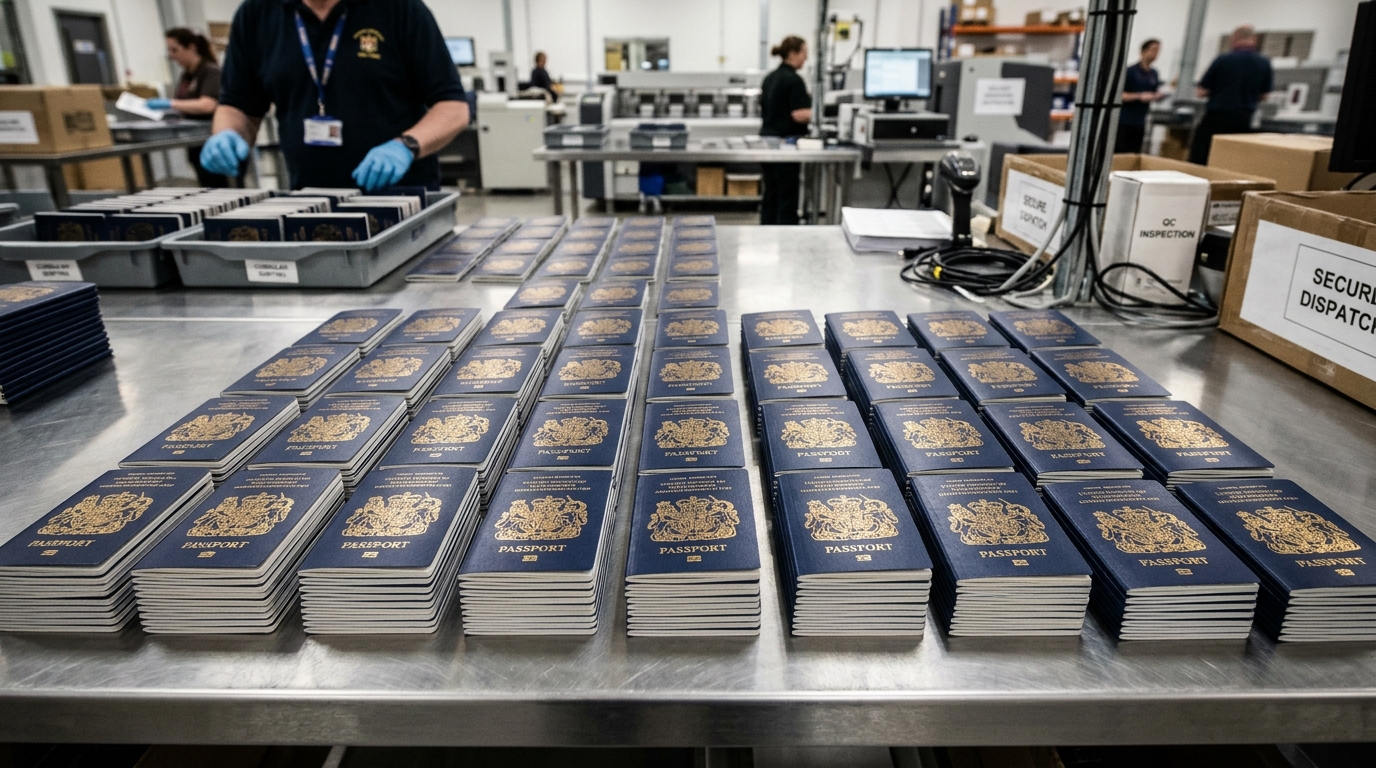
Current 2026 passport renewal delays stem primarily from seasonal travel volume surges, intake envelope processing bottlenecks at regional bank lockboxes, and rigorous biometric security checks under 22 CFR Part 51. While standard turnaround is 6–8 weeks, applications assigned to high-capacity centers (such as National Passport Center Locator 69 or New Orleans Locator 42) experience extended hold periods if photo glare, check payment discrepancies, or missing certified documentation are detected.
📑 In This Comprehensive Guide
- 1. The 2026 Processing Timeline Landscape: Routine vs. Expedited
- 2. Inside the Lockbox: The Initial 2–4 Week Intake Blindspot
- 3. How Regional Agency Locators Dictate Your Adjudication Speed
- 4. Form DS-82 Suspension Pitfalls: Why Files Get Paused
- 5. Actionable Resolution Protocol: Escalating Stuck Applications
- 6. Frequently Asked Questions (FAQ)
1. The 2026 Processing Timeline Landscape: Routine vs. Expedited
International travel demand across the United States has reached unprecedented levels in 2026. According to published consular throughput statistics from the Bureau of Consular Affairs, the Department of State processes tens of thousands of passport booklets each week. Despite continuous investments in digital intake and personnel staffing, processing delays remain one of the most stressful hurdles for American travelers preparing for international flights.
As of late 2026, baseline processing windows stand as follows:
- Routine Service: Advertised at 6 to 8 weeks. However, door-to-door duration frequently extends to 9–10 weeks when incorporating inbound and outbound postal transit.
- Expedited Service ($60 Government Surcharge): Advertised at 2 to 3 weeks once intake scanning is completed at the adjudication center.
- Urgent In-Person Travel Service: Reserved strictly for applicants with departure tickets within 14 calendar days, available exclusively by appointment at one of the 29 regional agency facilities.
A vital legal distinction that travelers frequently overlook is that statutory processing timelines do not begin when you drop your application package into a USPS mailbox. The clock begins strictly on the day your physical documents are unsealed, scanned, and assigned a nine-digit tracking number at the primary intake facility.
2. Inside the Lockbox: The Initial 2–4 Week Intake Blindspot
When you mail a renewal packet containing Form DS-82 to the standard postal addresses in Philadelphia, PA, or Irving, TX, your envelope does not travel directly to a consular adjudicator. Instead, it enters a dedicated commercial lockbox facility operated under federal contract by commercial banking partners.
During this initial phase, the following steps occur before any official online tracking status appears:
- Sorting and Security Screening: Packages undergo physical security and radiation screening protocols.
- Fee Separation & Endorsement: Personal checks or money orders are detached, endorsed, and electronically debited through the Federal Reserve automated clearing house (ACH).
- Batch Barcoding: Physical paper forms, previous passports, and passport photos are stamped with batch identifiers and assigned a nine-digit application locator code.
During this 14- to 28-day intake transition, the State Department portal displays the frustrating message: "Status: Not Available". Savvy travelers monitor their online banking statements: once your check or money order clears, you have verifiable proof that your packet has successfully cleared intake.
3. How Regional Agency Locators Dictate Your Adjudication Speed
Once your application is uploaded into the central consular database, the first two digits of your nine-digit locator number unlock the physical location of the federal agency handling your case. Because individual agencies experience varying caseloads, your assigned facility has a direct impact on how quickly your booklet is printed and dispatched.
For example, applications routed to massive high-capacity printing facilities such as Locator 69 (National Passport Center in Portsmouth, NH) or Locator 42 (New Orleans Passport Center, LA) handle immense batch volumes, whereas regional agencies like Locator 10 (Boston, MA) or Locator 55 (Dallas, TX) balance mail-in adjudication with daily same-day emergency counter appointments.
To identify which specific federal facility is processing your passport, consult our comprehensive directory: 👉 Explore the Complete 29 U.S. Passport Agency Locator Numbers Directory.
4. Form DS-82 Suspension Pitfalls: Why Files Get Paused
When an application is paused in an extended hold state, consular officers issue a physical suspension letter by mail detailing the deficiency. Under federal regulations, applicants have 90 days to respond before their application is formally abandoned and statutory fees forfeited.
The top five triggers for renewal suspensions in 2026 include:
- Photo Glare & AI Modifications: Automated facial recognition algorithms reject photos with digital touch-ups, reflections from eyeglasses, or improper 2x2 inch cranial proportions. Review our Passport Photo Compliance Standards.
- Payment Calculation Errors: Checks made out for incorrect sums (such as forgetting the $60 expedite fee or $35 execution fee on first-time applications) immediately halt processing until a supplementary check is cleared. Use our 2026 Passport Fee Calculator to confirm exact figures.
- Uncertified Name Change Proof: Providing a photocopy of a marriage certificate rather than a certified copy bearing an official registrar's embossed seal.
- Ineligible Form DS-82 Usage: Submitting a renewal form for a passport issued when the applicant was under age 16, which statutorily requires an in-person Form DS-11 execution.
5. Actionable Resolution Protocol: Escalating Stuck Applications
If your passport has been stuck on "In Process" beyond your anticipated timeline and your international departure date is approaching, follow this structured escalation protocol:
Step 1: Phone the NPIC with Your Nine-Digit Locator
Call the National Passport Information Center at 1-877-487-2778. Provide your nine-digit locator code and request an expedited upgrade ($60) and 1-2 day return delivery ($21.36).
Step 2: Request Congressional Casework Assistance
If you are within 14 days of travel and status remains unresolved, contact the constituent casework office of your local U.S. Representative or Senator. Congressional staff possess direct secure portal access to regional consular supervisors.
Step 3: Secure an In-Person Emergency Appointment
Book an urgent counter slot at an official regional agency facility. For complete booking requirements, read our 14-Day Urgent Travel & Same-Day Emergency Appointment Guide.
6. Frequently Asked Questions (FAQ)
Q: Does the State Department send tracking numbers by email?
Yes. If you provided an email on Form DS-82 or opted into online tracking updates, automated alerts are sent when status advances to 'Approved' and USPS tracking numbers are generated.
Q: Will my original citizenship documents arrive with my new passport?
No. Your previous cancelled passport and original supporting certificates are returned separately in a secondary envelope via standard first-class mail, typically arriving 2 to 4 weeks after your new passport book.
Q: Can private courier expeditors bypass regional agency waitlists?
No private company can print a passport or bypass federal background checks. Private couriers simply hand-deliver applications to regional intake windows on behalf of applicants. Always review our Independent Expedited Courier Review before purchasing costly third-party services.